
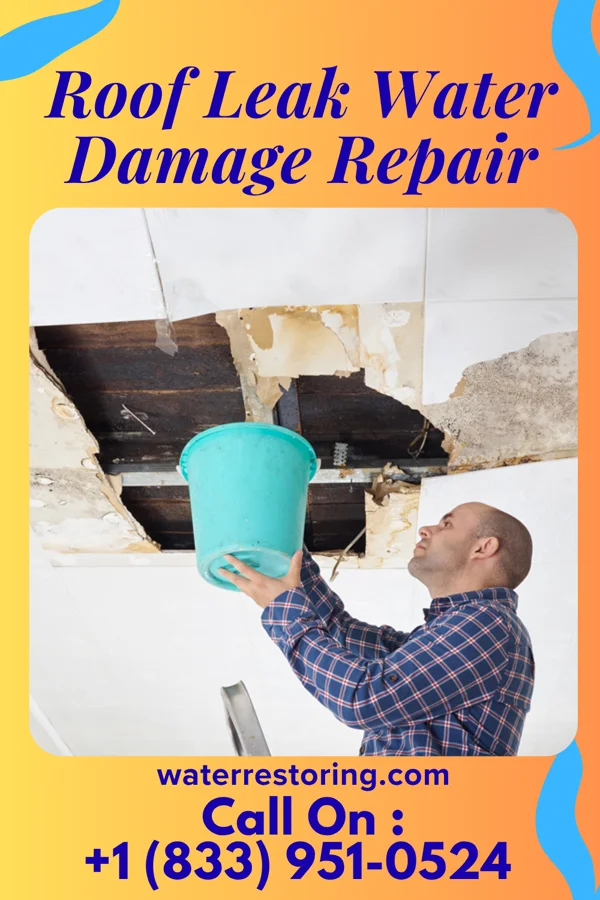
Active Roof Leak Containment in Indian River Shores
Most water damage emergencies in Indian River Shores start with Indian River Shores experiences frequent tropical storms and hurricanes, which can lead to heavy rainfall and strong winds. The coastal location also means that saltwater intrusion can damage roofing materials, increasing the risk of leaks. High humidity levels throughout the year contribute to persistent moisture issues.. A close second is During the wet season, which runs from June to November, the area sees frequent thunderstorms and heavy downpours. These conditions can overwhelm gutters and roofing systems, leading to water infiltration. Seasonal high tides can also cause flooding near the shorelines, affecting nearby properties.. From the second water touches the property, every minute changes what gets saved and what gets ripped out.
The combination of high humidity, frequent storms, and saltwater exposure in Indian River Shores creates a challenging environment for roof integrity. Coastal winds can lift shingles or damage flashing, while salt air accelerates metal corrosion and roofing material degradation.
The combination of high humidity, frequent storms, and saltwater exposure in Indian River Shores creates a challenging environment for roof integrity. Coastal winds can lift shingles or damage flashing, while salt air accelerates metal corrosion and roofing material degradation. The dominant local driver is Indian River Shores experiences frequent tropical storms and hurricanes, which can lead to heavy rainfall and strong winds. The coastal location also means that saltwater intrusion can damage roofing materials, increasing the risk of leaks. High humidity levels throughout the year contribute to persistent moisture issues., with During the wet season, which runs from June to November, the area sees frequent thunderstorms and heavy downpours. These conditions can overwhelm gutters and roofing systems, leading to water infiltration. Seasonal high tides can also cause flooding near the shorelines, affecting nearby properties. showing up as the next most common cause. Damage builds in stages. Spread. Absorption. Microbial growth. Structural compromise. Every stage you pass through adds to the final bill.